


Chain and travelling grate boilers from 1 to 20 t/h burning rice husk, bagasse, wood chips, coconut shell or coal. Built in Zhengzhou by RKO BOILER since 1981 for Asia, Africa and the Middle Eastn plants.
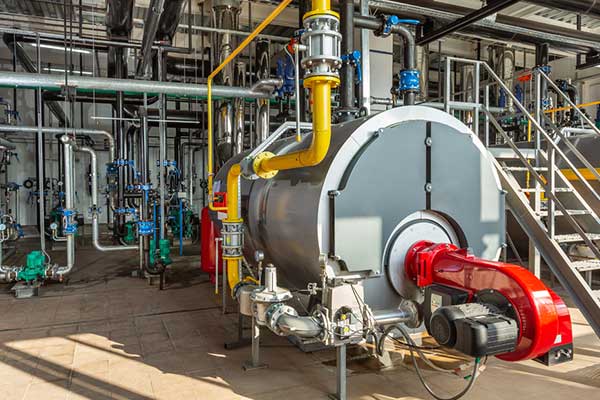
Coal and Biomass Fired Boilers Built for Asia, Africa and the Middle Eastn Fuel and Climate
RKO BOILER builds chain grate and travelling grate boilers from 1 to 20 t/h that burn rice husk, bagasse, wood chips, coconut shell or coal, with fuel flexibility designed in from the start. For Asia, Africa and the Middle Eastn plants, this means a boiler that can follow the local harvest calendar and still run on coal or wood when biomass supply tightens. Every unit is engineered in Zhengzhou, where RKO has manufactured industrial boilers since 1981, and configured for tropical humidity, variable fuel moisture and the realities of island logistics.
Why Fuel Flexibility Matters in Asia, Africa and the Middle East
Asia, Africa and the Middle Eastn biomass is seasonal and regional. Rice husk peaks around milling, bagasse follows the sugar crush, and coconut shell and wood chips move through different supply chains. A grate boiler sized for one fuel alone can sit underused for part of the year.
- Multi-fuel grate design: the combustion grate and furnace volume are matched to your main fuel while leaving room for a secondary fuel.
- Moisture tolerance: biomass arriving at 20–35% moisture can be handled with the right furnace and air distribution; wetter fuel needs pre-drying or blending.
- Humidity protection: insulation, paint systems and electrical enclosures are specified for coastal and high-humidity sites.
- Spare parts planning: we help you stock grate bars, seals and wear parts so lead time from China does not stop production.
How to Select the Right Unit
Selection starts with four questions, and the answers decide the grate area, furnace volume and auxiliary equipment.
Capacity
State the steam or heat demand in t/h or MW, plus the peak and average. A 1–20 t/h range covers most rice mills, sugar factories, food plants and small industrial estates; choose a unit that runs efficiently at your average load, not only at maximum.
Pressure and Temperature
Confirm the working pressure and steam temperature your process needs. Saturated steam suits many food and milling duties; higher-pressure superheated steam may be needed for power or large process loads.
Fuel
Provide the fuel type, calorific value, moisture, ash and particle size. Rice husk, bagasse, wood chips and coconut shell behave differently on a grate, and coal blends change the ash melting point. A fuel analysis lets us set grate speed, air distribution and furnace dimensions correctly.
Load Profile
Tell us whether the boiler runs steadily or swings with shift patterns. Chain grate boilers respond well to stable loads; where demand varies widely, controls and feed systems are tuned to avoid smoke and wasted fuel.
Applications
These boilers suit plants that generate their own biomass residue and want to turn it into process heat.
- Rice mills using husk for parboiling and drying
- Sugar factories burning bagasse during and after crush
- Food and beverage plants needing process steam
- Plywood, furniture and sawmills using wood waste
- Coconut processing plants using shell and fibre residue
- Industrial estates and factories using coal or mixed fuel
Where steam is not the final requirement, compare our steam boiler and hot water boiler ranges to see which output suits your process. The full equipment list is on the products page.
Service and Support for Asia, Africa and the Middle Eastn Customers
RKO supports Asia, Africa and the Middle Eastn buyers with fuel assessment, layout drawings, installation guidance and operator training. Because spare parts ship from China, we agree a critical spares list at order stage so common wear items are on site before the first firing. Local service coordination and remote troubleshooting help shorten downtime between visits.
Next Step
Send your fuel analysis, required capacity and pressure, and we will propose a configuration. Start with our contact page.