

Are Biomass Boiler Systems Worth It?
Biomass boiler systems deserve close attention when you are targeting heating efficiency with reduced emissions and a low carbon footprint. These units have gained popularity in small businesses and residential communities because they can generate pressure from waste-derived fuel and help manage carbon dioxide in the atmosphere.
Biomass boilers come in different sizes, shapes, installation techniques and fuel types, which makes selecting the right one a challenge. To help you choose, this guide from RKO Boiler provides an in-depth look at how biomass boiler systems work, their efficiency, emissions and costs.
How Does a Biomass Boiler System Work?
The working principle of biomass boiler systems is similar to conventional boilers: heat is generated by burning non-fossil fuels. Biomass units are larger than their fossil-fuel counterparts because of the substantial fuel volume used in the chamber, so they occupy more space.
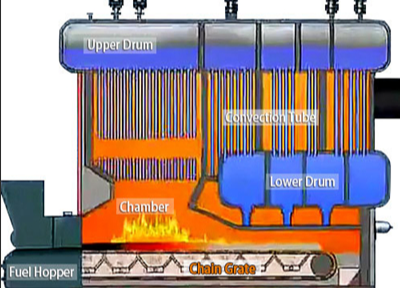
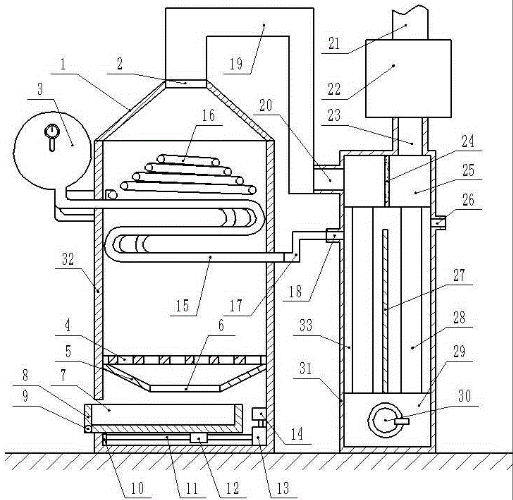
Key Components:
- Fuel hopper for storage
- Combustion chamber where fuel burns
- Heat exchanger that transfers heat to water
- Exhaust system for fumes
- Ash collection system
Three Stage Process:
- Fuel Feeding: The fuel (wood pellets, chips or logs) is fed into the combustion chamber. Feeders can be automatic, semi-automatic or manual depending on the facility and budget.
- Combustion: When ignited, the fuel produces hot gases that travel through the flue into the heat exchanger chamber, heating water which turns to steam for industrial equipment.
- Byproduct Handling: Ash byproducts collect in a separate tray while remaining heat goes to thermal storage containers (buffer tanks). Maintaining an adequate fuel supply reduces transportation costs.
Residential vs Commercial Biomass Boilers
For Homes:
Biomass boiler systems are ideal for homeowners seeking more sustainable, efficient heating. Using natural resources such as wood pellets, chips, logs and other organic materials, they offer:
- Reduced carbon footprint compared to oil/gas boilers
- Renewable energy source
- Lower emissions of pollutants
- Efficient, sustainable low-maintenance heating
For Businesses:
Commercial biomass steam boilers help reduce carbon footprint, lower electricity costs and produce clean thermal energy. Used in both public and private industrial settings, large 500 MWth boiler plants can achieve heating efficiency up to 89%.
Combustion Process:
The commercial combustion process builds on four main units:
- Feed system
- Combustion chamber
- Air supply
- Emissions system
Industrial settings often add flue gas recirculation (FGR), automatic controllers and separate heat exchangers.
Factors Affecting Biomass Boiler Efficiency
1. Flue Gas Temperature
The difference between initial temperature and flue temperature indicates efficiency. Hot exiting gases mean heat was not transferred to the water, representing lost energy. Industrial installations often use maintenance devices to prevent such losses.
2. Type of Biomass Fuel
Typical biomass boiler systems average 80–90% efficiency, depending on fuel type. Here is a breakdown of common fuels:
| Fuel Type | Energy per Ton (Moisture Content) |
|---|---|
| Wood chips | ~4800 kWh (10–15%) |
| Logs | ~3500 kWh (25–30%) |
| Wood pellets | ~4800 kWh (5–8%) |
| Sawdust | ~1500 kWh (<20%) |
3. Emission Levels
Lower emissions generally indicate better heating efficiency. Commercial biomass boiler emissions fall into three categories:
CO₂ Emissions
While wood combustion produces high CO₂ due to its high calorific value, biomass emissions are part of the natural atmospheric carbon cycle, making the fuel carbon neutral.
NOₓ Emissions
Small dry pellets typically emit 50–60 mg/MJ, while chip boilers emit 170–180 mg/MJ. Both levels are negligible for maintaining efficiency.
Particulate Matter (PM)
Modern industrial biomass boilers produce 10–70 mg/MJ, similar to oil. Ceramic filters help maintain low emissions, especially in urban areas.
Thermal Storage Capacity
Thermal storage allows boilers to store heat energy, extending working life. High storage means better heating efficiency and lower emissions. Studies show:
- 25 kW modern biomass boilers with buffer tanks achieve 74% efficiency
- The same boilers without buffers achieve only 57% efficiency
However, separate buffer containers increase the already substantial system size.
Biomass Boiler Costs
Installation Costs
Purchase and installation costs can be high, especially for residential use:
- 15 kW automatic feed boiler: $16,000–$18,000
- 15 kW manual feed boiler: $11,000–$13,000
Fuel Costs
Wood pellets cost $200–$300 per ton, with annual residential fuel costs around $3,000.
Maintenance
Maintenance costs are minimal but important:
- Weekly ash removal (or invest in self-cleaning models)
- Feed system maintenance every two months
- Weekly heat exchanger and ash remover cleaning
- Annual technician inspection
How to Get Biomass Boiler Grants
- Research available grants and eligibility requirements
- Contact relevant agencies (local councils, energy companies, government departments)
- Complete the application with all required documentation
- Submit the application and await a response (typically within weeks)