

When you specify steam capacity for a new process line or replace an ageing unit, the choice between an industrial steam generator and a conventional steam boiler directly affects capital cost, operating cost, and how much floor space you need. Both technologies produce steam, but they are engineered for different duty cycles, pressure levels, and load profiles. This article explains how each system works, compares them on the factors that matter to plant engineers, and outlines which industries typically benefit from each. If you need a second opinion, RKO Boiler can help you match the equipment to your actual steam demand.
What is a Steam Generator?
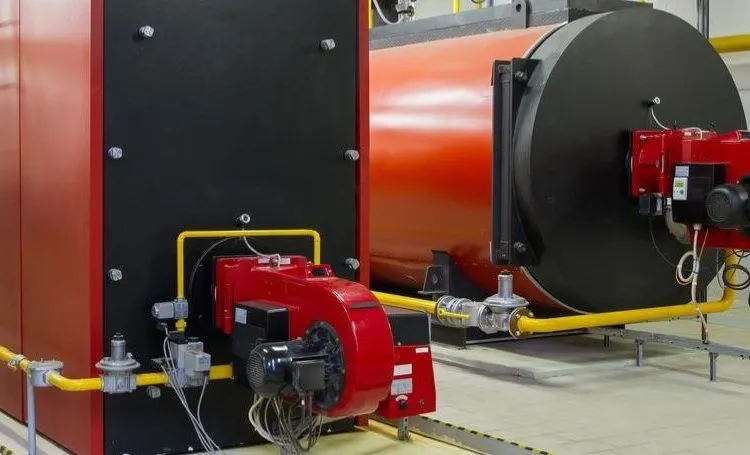
An industrial steam generator is a compact, efficient device that produces steam using minimal energy and resources. It is commonly used where a smaller steam output is sufficient. Steam generators are often found in laundries, food processing plants, hospitals, and small-scale manufacturing operations.
Key Features of a Steam Generator:
- Compact Size: Steam generators are usually smaller than boilers, making them ideal for locations with limited space.
- Rapid Start-Up: Due to their compact size and design, steam generators heat up and produce steam much faster than traditional boilers.
- Energy Efficient: Steam generators are known for their energy efficiency, as they require less fuel and water to operate.
- Lower Pressure: Steam generators typically produce steam at a lower pressure, which is ideal for applications that don’t require high-pressure steam.
What is a Steam Boiler?
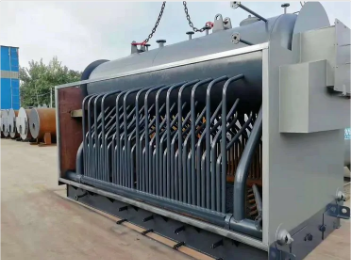
On the other hand, steam boilers are large, heavy-duty systems designed to generate large volumes of steam under higher pressure. They are commonly used in industries that require significant steam production, such as power generation, oil refineries, chemical manufacturing, and large-scale food processing plants.
Key Features of a Steam Boiler:
- Large Capacity: Boilers can produce a large quantity of steam, making them suitable for heavy industrial processes.
- High Pressure: Steam boilers can generate high-pressure steam, essential for certain applications like power generation and chemical processes.
- Durable and Long-Lasting: Due to their robust construction, steam boilers are known for their long operational life, often lasting decades with proper maintenance.
- Continuous Steam Supply: Steam boilers can provide a constant and reliable supply of steam, which is vital for continuous industrial processes.
Key Differences Between a Steam Generator and a Steam Boiler
Understanding the main differences between these two systems is critical for selecting the right equipment for your specific industrial needs.
1. Size and Footprint
Steam generators are much smaller than steam boilers. This makes them ideal for industries with limited space or mobile operations. In contrast, steam boilers are large and require a substantial amount of space for installation and operation.
2. Steam Output and Pressure
Steam boilers are designed to produce large quantities of high-pressure steam, suitable for heavy industrial applications. Steam generators, however, produce smaller amounts of steam at lower pressure, which works well for applications like sterilization or small-scale production.
3. Energy Consumption
Since steam generators are designed to be energy efficient, they consume less fuel and water compared to traditional boilers. Steam boilers, while efficient for large-scale operations, require more resources to maintain high-pressure steam production.
4. Maintenance
Steam generators, due to their simpler design and lower operating pressures, generally require less maintenance compared to steam boilers. Boilers, especially those operating at high pressure, require more frequent inspections and ongoing maintenance to ensure safe and efficient operation.
Advantages of Steam Generators
Steam generators offer several benefits, especially for industries that do not require high-pressure steam or large steam outputs. Here are some advantages of using a steam generator:
- Cost-Effective: For industries with lower steam demands, steam generators can be more economical in terms of both initial investment and operational costs.
- Energy Efficiency: Steam generators typically have higher energy efficiency, meaning they consume less fuel and water, reducing operational expenses.
- Flexibility: Because of their compact size and faster start-up times, steam generators can be more easily integrated into existing systems or used for specific applications.
- Lower Environmental Impact: With lower fuel consumption and higher efficiency, steam generators often have a smaller environmental footprint compared to large boilers.
Advantages of Steam Boilers
For industries requiring large quantities of steam at high pressure, steam boilers are often the more beneficial option. Here are the key advantages of steam boilers:
- High Steam Output: Boilers are capable of producing large amounts of steam, making them indispensable for industries like power generation and chemical manufacturing.
- Durability and Reliability: With proper maintenance, steam boilers can operate reliably for decades, providing consistent steam output.
- Versatility: Steam boilers are suitable for a wide range of industrial applications, from energy production to heating large facilities.
Which Option is Best for Your Industry?
The choice between a steam generator and a steam boiler depends on your specific industry needs. If you operate in an industry that requires high-pressure steam and continuous operation, such as energy production or chemical processing, a steam boiler is likely the better option. However, if your operations involve lower steam requirements or require a more energy-efficient and space-saving solution, a steam generator may be more suitable.
Industries such as food processing, hospitality, or healthcare may benefit more from the flexibility and efficiency of a steam generator. On the other hand, industries requiring massive and continuous steam output, like oil refineries and large manufacturing plants, will find the durability and power of steam boilers more advantageous.
Conclusion
When deciding between a steam generator and a steam boiler, it’s essential to evaluate the specific needs of your industry. Whether it’s the compact design and energy efficiency of a steam generator or the high capacity and durability of a steam boiler, each system has its unique advantages.
For those looking to invest in reliable steam equipment, partnering with a reputable steam boiler manufacturer like RKO Boiler can provide the tailored solutions you need. By understanding the differences and benefits of each system, you can ensure a more efficient and cost-effective steam solution for your industrial processes.
Technical team supporting capacity calculations, boiler selection and maintenance planning for industrial plants in Asia, Africa, the Middle East and Latin America.