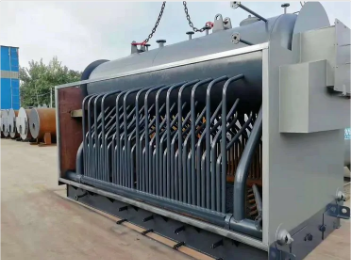


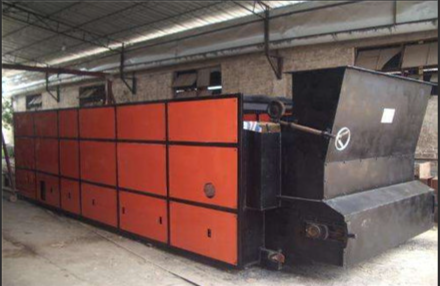
Chain Grate Stoker Boilers
Chain grate stoker boilers provide a cost-effective solution for both large industries and small industrial users. These modern boilers use a grate stoking system that allows for complete combustion and lower emissions.
Applications
- Power plants
- Chemical industry
- Heating systems
- Water supply systems
- Air conditioning system heating
Key Features
- Uses less fuel compared to other boiler types
- Reduced carbon footprint
- Produces less ash
- Lower greenhouse gas emissions
- Materials can be customized (typically steel plates or alloy steel plates)
At RKO Boiler, chain grate stoker boilers are engineered around a moving grate that carries fuel through the furnace in a controlled bed. This arrangement gives plant engineers a predictable combustion profile, straightforward ash removal and stable steam output across a wide load range. Because the fuel bed is mechanically conveyed, the design suits solid fuels that benefit from steady residence time and even air distribution.
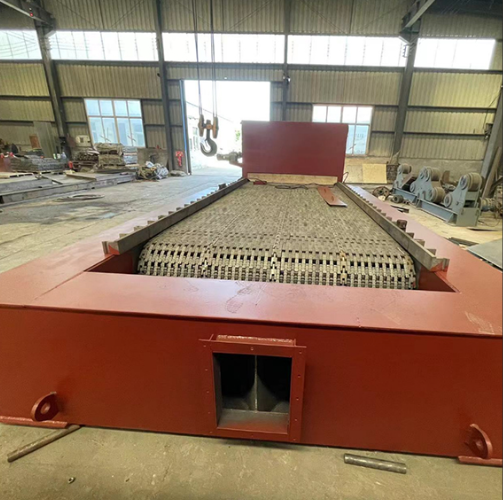
Travelling Grate (Pinhole Grate) Boilers
Pinhole grate boilers feature a fixed grate designed for burning low-ash fuels. These high-quality, robust and cost-effective boilers are particularly suitable for biomass fuels.
Technical Specifications
- Available in sizes from 30kW to 1MW
- Compact design allows installation anywhere with fuel access
- Suitable for commercial and industrial applications
Construction Features
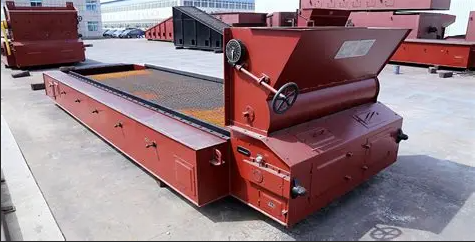
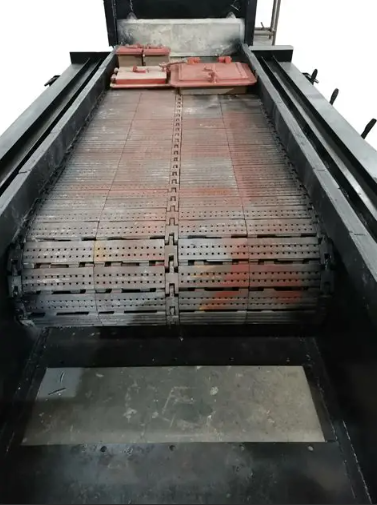
- Made from high-strength steel plates with small surface holes
- Ensures complete combustion while preventing flame penetration
- Ideal for high-temperature, high-pressure steam boilers
- Widely used in metallurgy, chemical industries, and coal gasification
Advanced Design Elements
- All-steel construction with stainless steel combustion chambers
- Large diameter fire tubes for rapid heat transfer
- Efficient circulating fluidized bed combustion system
- Can accept air temperatures up to 250°C
- Capable of burning high-moisture bagasse
- Over-fire air system ensures complete combustion
For biomass-fired plants, the pinhole grate design helps keep the fuel bed stable while allowing primary air to pass evenly through the small surface holes. The stainless steel combustion chamber and large diameter fire tubes support rapid heat transfer, and the over-fire air system completes combustion of volatiles above the bed. Where fuel moisture is high, such as with bagasse, the ability to accept combustion air temperatures up to 250°C helps maintain ignition and stable operation.
Grate Systems Explained
What is a Boiler Grate?
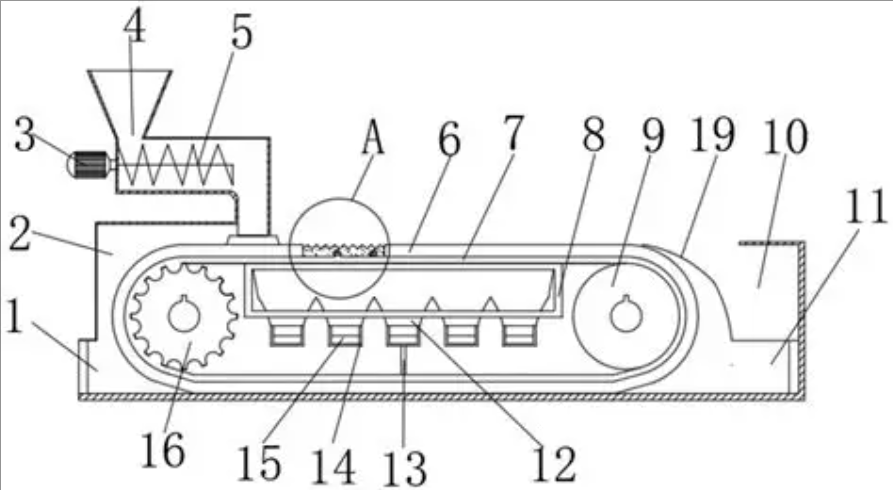
The grate is part of a steam boiler that supports the fire and allows air circulation. Typically made of metal, the grate helps maintain proper combustion by allowing airflow through the firebox. Without this airflow, there wouldn’t be enough oxygen for complete combustion.
Types of Stokers
- Chain grate stoker/travelling grate stoker: Coal is fed onto one end of a moving steel chain grate. As the grate rolls along the length of the boiler furnace, the coal burns and drops off as ash at the end.
- Spreader stoker: Classified by how fuel is fed into the furnace and the grate type.
- Underfeed stoker: Fuel is placed in a large hopper at the front of the furnace, with coal conveyed to a horizontal trough where it mixes with air.
Selecting the right stoker arrangement depends on fuel characteristics, load profile and ash behaviour. RKO Boiler works with plant engineers to match grate type, combustion air strategy and boiler configuration to the intended duty, whether the application is process steam, district heating or power generation.