

What Are Industrial Boilers?
Industrial boilers are pressurized vessels used to generate steam or hot water for a wide range of industrial processes. By producing clean, efficient thermal energy, an industrial boiler from RKO Boiler helps plants raise output, cut fuel waste and improve overall profitability. Whether the requirement is saturated steam for process heating, hot water for sanitation, or thermal oil for high-temperature duty, the boiler sits at the centre of the plant’s energy system and its performance directly affects operating cost.
Types of Industrial Boilers
There are several different types of industrial boilers, each with its own advantages and disadvantages. The two main categories are fire tube boilers and water tube boilers, and the right choice depends on steam capacity, pressure, fuel and the load profile of the process.
Fire Tube Boilers
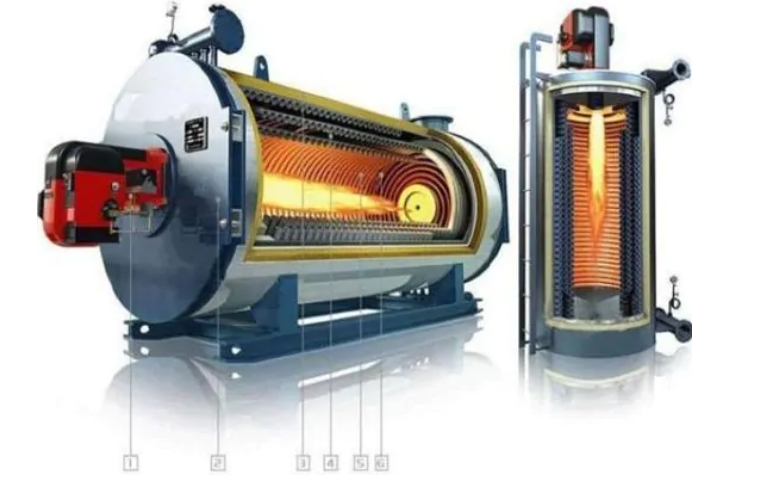
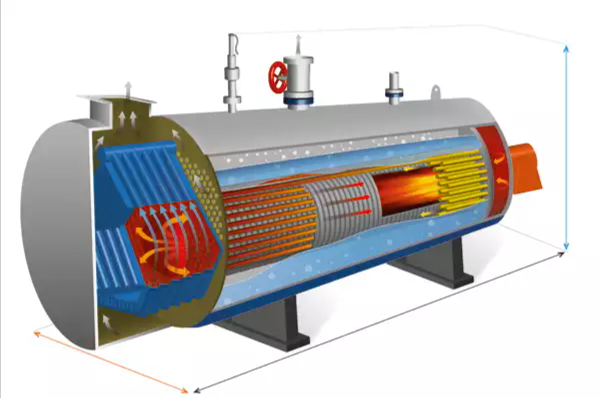
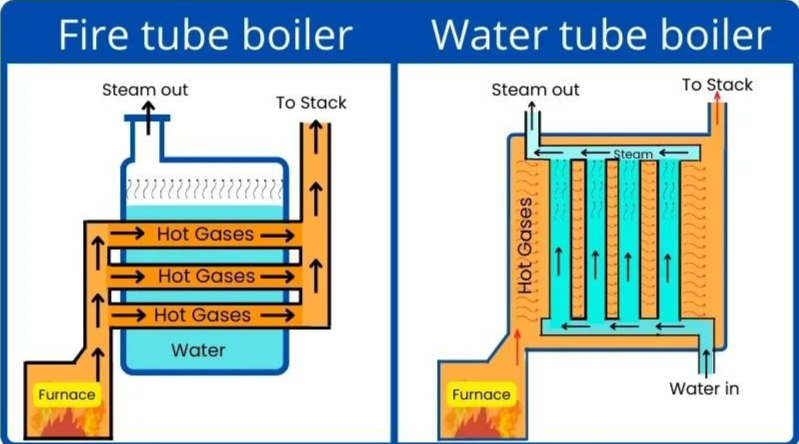
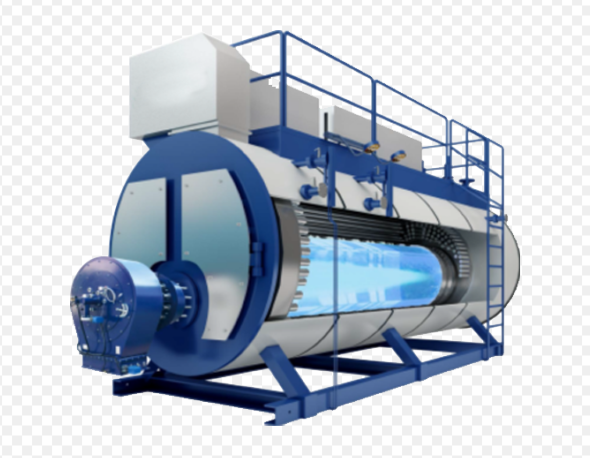
The most common type of industrial boiler is the fire tube boiler, which consists of a series of tubes surrounded by water. Hot gases from combustion pass through the tubes and heat the water, and the resulting steam is used to power various industrial applications.
Fire tube boilers are very large and require a significant amount of fuel to operate. They are well suited to lower steam pressures and moderate capacities, and they are widely used where a compact, robust and easy-to-operate steam source is needed.
Water Tube Boilers
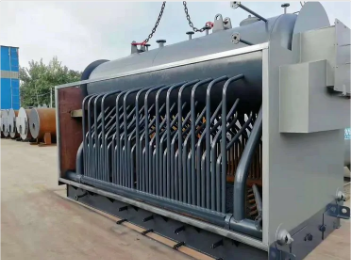
Another type of industrial boiler is the water tube boiler, in which water flows inside a series of tubes and is heated by a series of burners. The resulting steam is used to power various industrial applications.
Water tube boilers are much smaller than fire tube boilers and operate more efficiently. Because the water is contained in smaller-diameter tubes, they respond quickly to load changes and are the preferred design for higher pressures and larger steam capacities.
10 Different Industries That Use Industrial Boilers
1. Food Industry Boilers
Water or other fluids are heated by our industrial boilers. The liquid doesn’t need to boil. Various heating applications such as water heating, central heating, boiler-based power generation, cooking, and sanitation can be performed by the heated or vaporized fluid exiting the boiler.
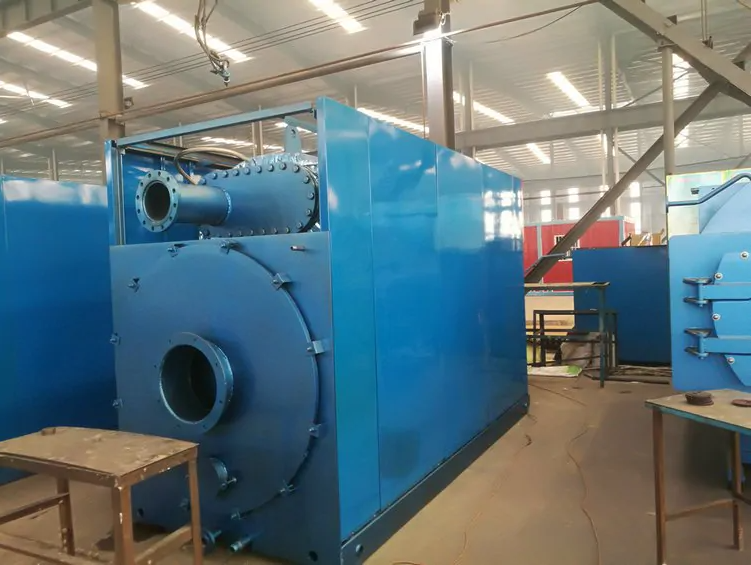
Food industry boilers can be used for drying, sterilizing, curing, distilling, and sterilizing. In fact, thermal oil boilers are recommended as a better choice for the food industry, because they deliver stable high-temperature heat at low pressure and avoid the risks associated with high-pressure steam in direct-contact processing areas.
2. Rice Mill Steam Boilers
The rice mill steam boiler is a critical piece of equipment in rice processing. It provides the steam needed for the harsh environment of the rice mill while also providing the power to drive the rice milling equipment.
The rice mill steam boiler is used to remove the husk from rice. In the rice boiler process, the rice is fed into the husk bucket, where it is separated from the husk. Reliable steam supply also supports parboiling, drying and other downstream steps where consistent heat determines grain quality and recovery.
3. Brewery Steam Boilers
It’s essential to understand how a steam boiler works in any brewery. The brewery’s steam boiler produces steam by heating water. Afterwards, the steam is used to power brewing equipment such as fire kettles and mash tuns, and it also supports cleaning-in-place (CIP) and sterilization routines that keep the process hygienic.
4. Sugar Industry Boilers
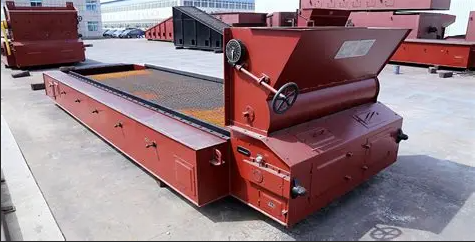
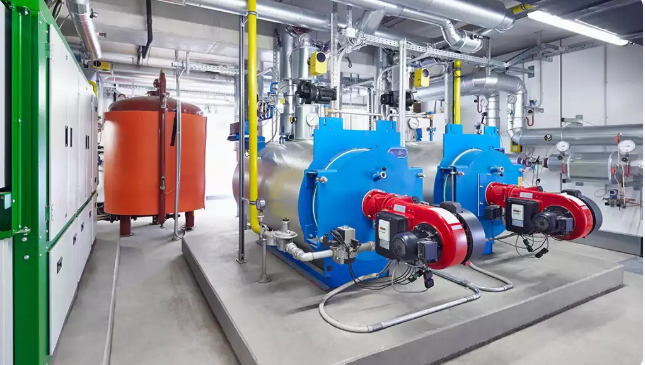
The boilers used in the sugar industry are essential equipment in sugar mills, as they are responsible for generating steam to power the mill’s machinery. They help in crystallizing and drying sugar. Most boilers in the sugar industry use bagasse, coal, and biomass as fuel, and RKO Boiler can supply systems configured for these solid fuels so that the mill can use its own bagasse as a primary energy source.
5. Textile Industry Steam Boilers
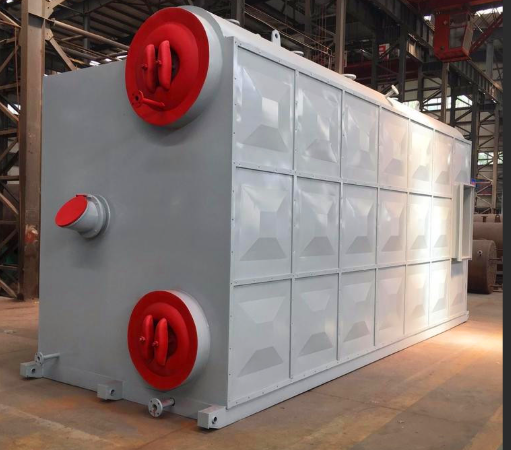
The textile industry uses steam boilers to convert water into steam using thermal energy. The steam is then used to run large turbines that generate electricity. Steam boilers are essential equipment in the textile industry, as they help generate the steam that powers the turbines and also supply the heat needed for dyeing, finishing and drying operations.
6. Milk Processing Steam Boilers
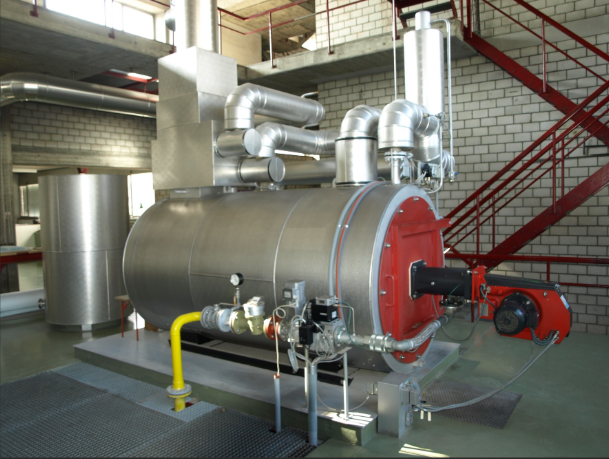
In milk processing plants, steam boilers are very commonly used. To kill microorganisms, milk is heated to high temperatures and then cooled. The milk is then processed into cheese, butter, yogurt, and other items. Pasteurization and sterilization depend on a steady, controllable steam supply, so boiler stability is directly linked to product safety and shelf life.
7. Pharmaceutical Industry Boilers
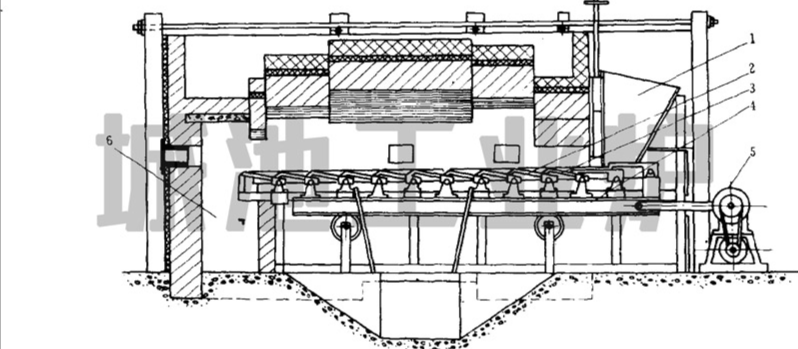
For pharmaceutical plants, it’s very important to have boilers for heating. If steam boilers are used for drying, sterilization, or purification of drugs, they must be very precise. This means they must be able to maintain temperature very stable, because even small fluctuations can affect product quality and compliance with process specifications.
8. Distillery Incineration Boilers
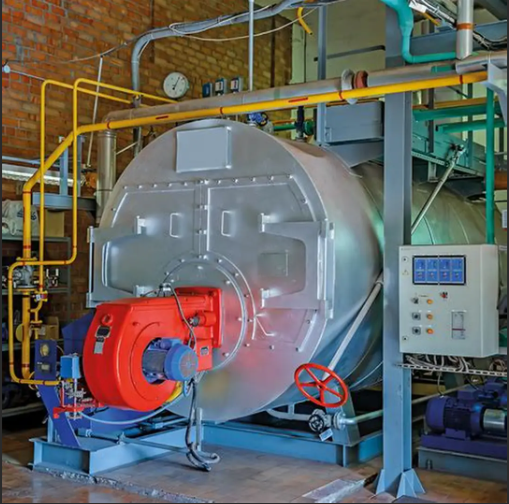
Incineration boilers are commonly used in distilleries as a way to process waste. The incineration process helps to sanitize the waste, and the heat produced can be used to generate steam or hot water, recovering energy that would otherwise be lost and reducing the plant’s overall fuel demand.
9. Oil and Gas Industry Boilers
Boilers have multiple uses in the oil and gas industry, including powering refinery operations and providing energy for offshore rigs. In addition to generating steam, boilers can also be used to produce hot water for space heating, domestic hot water, or process heating, and they must be selected for reliable operation in demanding and often remote environments.
10. Distillery Steam Boilers
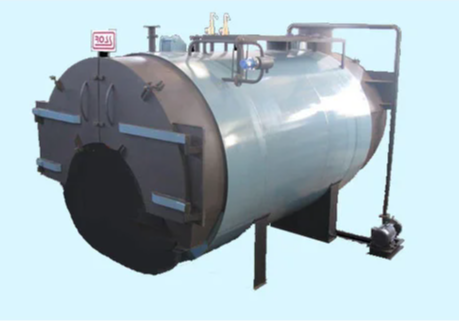
In the distillation process, steam is used to heat the wort, which breaks down the sugars and creates alcohol. The steam boiler also provides steam to the stills for further distillation of the alcohol. Consistent steam pressure and quality are essential here, since they influence yield, flavour profile and the energy cost per litre of product.